
 |
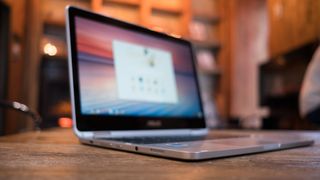
| Photo Source- techradar.com |
In this guide, we show you ways to reset a Chromebook. There are many reasons you would possibly want to reset your Chromebook: if you’re getting to sell it, passing an older device on to a loved one or friend, you only want to filter out all the digital rubbish or if it’s just acting up and you would like a clean slate.
The beauty of Chromebooks (much like Android devices) is that you simply can quite happily wipe them clean (a factory reset, as some might say) without an excessive amount of disruption to your day because the process is often wiped out but five minutes.
Before we cover the choices for resetting your Chromebook, it’s worth noting there are two reset options within the Google parlance: one resets all the Chrome browser features and settings but will leave files and apps in situ on your device.
The other reset mode is named PowerWash and can wipe equally of your device and maybe a full factory reset.
PowerWash will delete all the local internal files and apps, though anything protected to your Google Drive is going to be safe.
It’s also worth noting that SD cards are treated as auxiliary storage and these are going to be left untouched. So if you’re passing on a tool make sure you take the time to format any SD cards or to get rid of them.
1. the way to perform a basic Chromebook reset
For a basic reset of ChromeOS and therefore the Chrome browser settings type chrome://settings/reset into the address bar or Chrome Launcher.
Alternatively during a Chrome window you’ll also select Menu > Settings > Advanced > Reset settings > Restore settings.
This opens a dialog that warns you this may “This will reset your startup page, new tab page, program, and pinned tabs. it’ll also disable all extensions and clear temporary data like cookies. Your bookmarks, history, and saved passwords won’t be cleared.”
Click the ‘Reset settings’ button to try to to this. These steps won’t provide a full reset. for instance, some settings like fonts or accessibility won’t be deleted.
You’ll find this feature is more for troubleshooting Chrome issues, as it’ll remove all extensions that would be causing issues or reset cookies if you’re having browsing issues.
2. the way to perform a Chromebook PowerWash reset
Generally, when people talk about resetting their Chromebook, they’re after a full PowerWash factory reset.
There are two ways of kicking the method off, but as we’ve covered both will totally wipe your local files – so make sure you have everything you would like to save lots of far away from your Chromebook which any important files, music, photos are protected to Google Drive or an identical service.
Press the search key, then type ‘settings’ and choose Advanced > Reset settings. Click the ‘Reset’ button.
The alternative approach is to sign off of your Google account and press Ctrl + Alt + Shift + r. this may initiate the PowerWash sequence. this needs an initial reset, that brings you back to the User Account login screen.
Wait a couple of seconds and therefore the PowerWash dialog will reappear, click PowerWash and Accept and away the method goes.
3. handling the developer mode
If you’ve got a Chromebook that has been set to developer mode you’ll alright want to get rid of this at this stage – especially if you’re getting to sell or expire the device, as this splash screen is often pretty offputting.
You can easily tell if it’s in Developer Mode as whenever your Chromebook starts a splash-screen appears announcing it’s indeed in Developer mode. this is often usually enabled if someone wants to put in another OS like Linux.
Turning off Developer mode is super easy: restart the Chromebook and on the splash screen press the Space key. remember this wipes your system (again), which is why it’s recommended to try to do this while you’re doing a PowerWash.
 Technical Helpline by Zahid